




 All Earrings
 Stud Earrings
 Drop Earrings
 Solitaire
 Hoop Earrings
 Halo Earrings
 Vermeil Earrings
 Round
Round
 Oval
Oval
 Emerald
 Pear
Pear
 Princess
 Heart
Heart
 Marquise
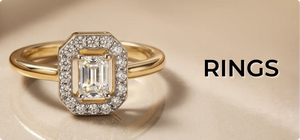
 All Rings
 Solitaire Rings
 Band Rings
 Halo Rings
 Cocktail Rings
 Eternity Rings
 Fashion Ring
 Stack Rings
 Men's Rings
 Vermeil Rings
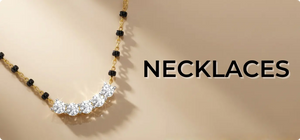
 All Necklaces
 Necklet
 Mangalsutra
 Solitaire
 Tennis Necklace
 Statement Necklace
 Vermeil Necklace
 Alphabets
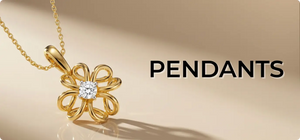
 Solitaire Pendant
 Halo Pendant
 Vermeil Pendants
 All Bracelets
 Solitaire Bracelet
 Tennis Bracelet
 Fashion Bracelet
 Mangalsutra
 Vermeil Bracelets
 All Vermeil
 Vermeil Earring
 Vermeil Pendant
 Vermeil Ring
 Vermeil Necklace
 Vermeil Mangalsutra
 Vermeil Bracelets
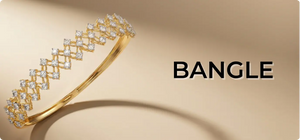
 Vermeil Bangles
 Vermeil Men’s
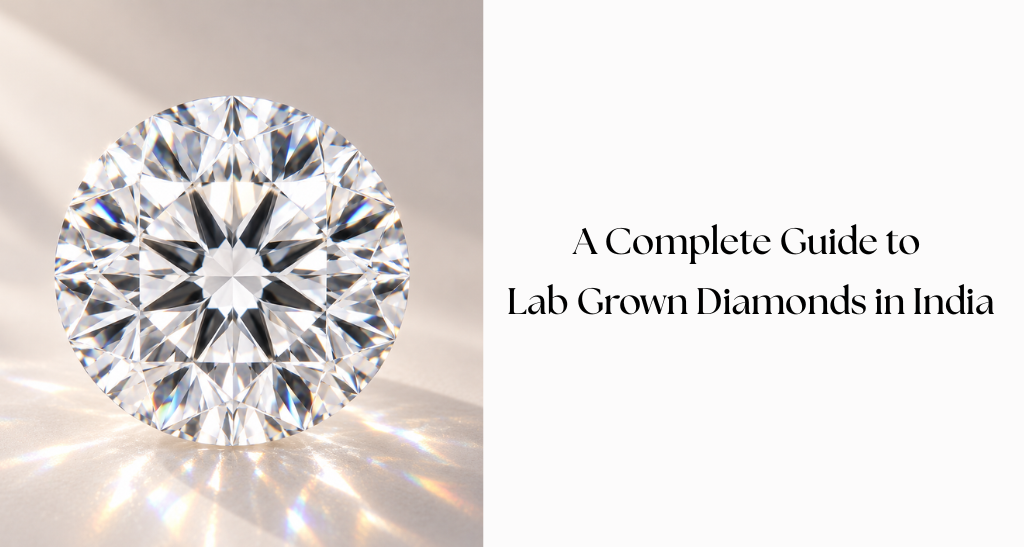
A Complete Guide to Lab Grown Diamonds in India
Buying a diamond now involves one more choice: should you buy a natural diamond or a lab grown diamond? For buyers in India, the answer is not based on appearance alone. Price, certification, gold purity, exchange terms and the reason for buying all matter.
Lab grown diamonds are real diamonds created in controlled facilities. They are not cubic zirconia, moissanite or another imitation. They offer the hardness and appearance expected from a diamond, usually at a lower price than a natural diamond with comparable specifications.
This guide explains how lab grown diamonds are made, how their quality is checked, what affects their price in India and what you should verify before paying for one.
What Is a Lab Grown Diamond?
A lab grown diamond begins with a small diamond seed. Under controlled conditions, carbon builds around that seed and develops into a diamond crystal. The rough crystal is then cut, polished and set into jewellery.
According to the Gemological Institute of America, natural and laboratory-grown diamonds have essentially the same chemical, physical and optical properties. Their main difference is origin. One forms naturally below the earth's surface, while the other is produced using specialised technology.
Both types are made primarily of carbon arranged in a diamond crystal structure. Both also score 10 on the Mohs hardness scale. This makes a lab grown diamond suitable for rings, earrings, pendants and other jewellery worn regularly.
Are Lab Grown Diamonds Real Diamonds?
Yes. A lab grown diamond is a real diamond, but it is not a natural diamond.
The word "real" describes the material. The words "natural" and "laboratory-grown" describe its origin. Moissanite and cubic zirconia may be used as diamond alternatives, but they are different materials and should not be sold as diamonds.
A natural and a lab grown diamond with similar cut, colour and clarity can look the same without specialised testing. A visual inspection or a basic diamond tester is not enough to establish origin. Gemmological laboratories use advanced instruments to study growth patterns and other features that are not normally visible to the eye.
How Are Lab Grown Diamonds Made?
Two main methods are used to grow diamonds: CVD and HPHT.
CVD Diamonds
CVD stands for Chemical Vapour Deposition. A thin diamond seed is placed inside a sealed chamber filled with carbon-rich gas. Energy is used to break down the gas, allowing carbon atoms to settle on the seed in layers. Over time, those layers form a diamond crystal.
HPHT Diamonds
HPHT stands for High Pressure High Temperature. In this process, a diamond seed and carbon source are placed under very high pressure and temperature. These conditions allow the carbon to crystallise around the seed.
Is CVD Better Than HPHT?
Not automatically. Both methods can produce good or poor quality stones. A buyer should judge the finished diamond by its cut, colour, clarity, measurements and grading report rather than choosing only by the growth method.
Some diamonds may receive post-growth treatment to improve colour. If a treatment is detected, it should be disclosed in the grading report.
Lab Grown vs Natural Diamond vs Diamond Simulants
| Point | Lab grown diamond | Natural diamond | Moissanite or cubic zirconia |
|---|---|---|---|
| Material | Diamond crystal, primarily carbon | Diamond crystal, primarily carbon | Different gemstone or material |
| Origin | Created in a controlled facility | Formed naturally within the earth | Manufactured or naturally occurring, depending on the material |
| Appearance | Can look the same as a comparable natural diamond | Traditional diamond appearance | May resemble a diamond but has different optical properties |
| Hardness | 10 on the Mohs scale | 10 on the Mohs scale | Lower than diamond |
| Identification | Advanced testing and a grading report | Advanced testing and a grading report | Gemmological testing identifies the material |
| Price | ₹25,000–₹60,000 for a 1-carat loose certified diamond | ₹1.5–₹3 lakh for a comparable 1-carat loose certified diamond | Usually below ₹15,000 for a similar visible size |
| Resale Market | Around 20%–40% of the original purchase price | Around 40%–60% of the original purchase price | Little or no organised resale value |
For a closer comparison of the materials, read Lab Grown Diamond vs Moissanite vs Cubic Zirconia.
Why Are Lab Grown Diamonds Becoming Popular in India?
Indian buyers are using diamonds for more than wedding jewellery. Smaller diamond earrings, rings, bracelets and pendants are now also bought for workwear, birthdays, anniversaries and personal milestones. Lab grown diamonds make it easier to choose a larger stone or a more detailed design without moving to the price of a comparable natural diamond.
India is also developing its own technology and research capabilities in this sector. The Union Ministry of Commerce-supported India Centre for Lab Grown Diamond at IIT Madras is working on indigenous technologies for gem-quality and industrial diamonds, according to a 2026 Press Information Bureau update.
Availability, however, should not replace verification. A buyer still needs to check the diamond report, metal hallmark, invoice and after-sales terms.
How to Choose a Lab Grown Diamond Using the 4Cs
The 4Cs are cut, colour, clarity and carat. They work together, so the highest grade in every category is not always the best use of your budget.
1. Cut
Cut controls how effectively a diamond returns light. A well-cut diamond can look lively and bright, while a poorly cut stone may look dull even if its colour and clarity grades are high.
For a round diamond, check the cut grade along with polish and symmetry. For oval, pear, emerald, cushion and other fancy shapes, also examine a clear video or see the stone in person. Fancy shapes can have the same grade but look different because their proportions and light patterns vary.
2. Colour
Colour grades commonly run from D, the most colourless end, towards grades with increasingly visible warmth. D to F grades are colourless, while G to J are near colourless under the system used by IGI.
The best choice also depends on the setting. A near-colourless diamond can appear white in many designs, particularly when its cut is strong. Yellow or rose gold may also make a small amount of warmth less noticeable than white gold.
3. Clarity
Clarity describes internal and surface characteristics. Many of these features are too small to see without magnification.
Instead of paying automatically for the highest clarity grade, ask whether the diamond is eye-clean from a normal viewing distance. VS grades often provide a practical balance for many buyers, although the position and type of inclusion still matter.
4. Carat
Carat is a measure of weight, not visible size. Two one-carat diamonds can have different face-up dimensions depending on their shape, depth and proportions.
Compare the measurements written on the report, not only the carat number. An elongated oval, pear or marquise may cover more area on the finger than a round diamond of the same weight, although its appearance will also depend on proportion and cut.
For shape-specific guidance, see the complete guide to lab grown diamond shapes.
What Is the Price of a Lab Grown Diamond in India?
There is no single lab grown diamond price in India. Even two stones of the same carat weight can have different prices.
At the time of writing, Lukson lists a one-carat lab grown diamond from around ₹30,000. This is an entry price, not a fixed quote for every one-carat stone. The final cost changes according to:
-
Shape and carat weight
-
Cut quality and proportions
-
Colour and clarity
-
Grading laboratory and report type
-
Growth method and any post-growth treatment
-
Gold purity and net gold weight
-
Number and quality of side stones
-
Setting, making and design complexity
-
Taxes and the seller's after-sales policies
When comparing prices, match like with like. A one-carat round D-VVS stone should not be compared with a one-carat oval G-VS stone as though they are the same product.
The price of a loose diamond and the price of finished jewellery are also different. A complete ring includes the diamond, gold, setting, craftsmanship and applicable taxes. Ask for a clear breakup on the product page or invoice.
For a more focused price discussion, read the 1 carat lab grown diamond price guide for India.
How to Check Lab Grown Diamond Certification
A grading report is independent documentation of a diamond's origin and quality. It is not a warranty, valuation or promise of resale value.
Before buying, check these details:
-
The report clearly identifies the stone as laboratory-grown.
-
The report number can be verified on the laboratory's official website.
-
The carat weight, measurements, shape, colour and clarity match the seller's description.
-
The report mentions the growth method or detected post-growth treatment where applicable.
-
The laser inscription matches the report number when an inscription is present.
IGI laboratory-grown diamond reports document origin and quality information, including the 4Cs for relevant loose stones and mounted centre stones. Buyers can enter the report number on IGI's official verification page.
One current detail is easy to miss. Since October 1, 2025, GIA has used "Premium" and "Standard" overall assessments for qualifying colourless to near-colourless laboratory-grown diamonds instead of its traditional natural-diamond grading terminology. Therefore, current IGI and GIA documents may not present quality in the same format. The laboratory's name alone is not enough; read the actual report.
For more detail, checkout lab grown diamond certification guide.
Diamond Certificate and BIS Hallmark Are Not the Same
This distinction is especially important when buying diamond jewellery in India.
A diamond grading report describes the stone. A BIS hallmark verifies the purity or fineness of the precious metal used in the jewellery. One does not replace the other.
For hallmarked gold jewellery, look for the BIS logo, the purity mark in carat and fineness, and the six-character HUID. The Bureau of Indian Standards states that buyers can verify the HUID through the BIS Care app.
The practical rule is simple:
-
Use the grading report to check the diamond.
-
Use BIS hallmarking and HUID to check the gold.
-
Use the invoice to confirm what the seller has charged for each part.
India's IS 19469:2025 also requires clear disclosure of a laboratory-grown diamond's origin and prohibits misleading terminology. Product descriptions, reports and invoices should make it clear whether a stone is natural, laboratory-grown, treated or an imitation.
Benefits of Buying a Lab Grown Diamond
More Choice Within the Same Budget
The lower starting price can allow a buyer to choose a larger centre stone, a better cut or a more detailed setting without increasing the overall budget as sharply.
Diamond Hardness and Everyday Use
A lab grown diamond has the same Mohs hardness as a natural diamond. It can be used in engagement rings and regularly worn jewellery when the stone is set securely and cared for properly.
Clearer Origin
The production route is different from mining and can be easier to document. Buyers should still ask where the diamond was grown, where it was cut and whether the seller can support any environmental claim being made.
Wider Design Possibilities
Greater price flexibility makes it possible to consider fancy shapes, halo settings, multi-stone designs and larger solitaires that might otherwise exceed the buyer's budget.
Limitations You Should Consider
Resale Value Can Be Lower and Less Predictable
The resale market for lab grown diamonds is still developing. Production technology and current prices can change, so an older diamond may be compared with the present price of a similar new stone rather than the amount originally paid.
This does not mean every lab grown diamond has zero value. The offer depends on the jeweller, present market price, certificate, product condition and written buyback or exchange policy. The gold portion of the jewellery also has a separate value.
If resale matters, ask the seller these questions before buying:
-
Is buyback available, or only exchange?
-
How is the diamond value calculated at the time of return?
-
How is the gold value calculated?
-
Are making charges, taxes or certification fees excluded?
-
Does the policy apply only to the original buyer and invoice?
Treat diamond jewellery primarily as something to wear and enjoy, not as an assured financial investment.
Prices May Continue to Change
As production becomes more efficient and supply increases, comparable new diamonds may become cheaper. The lower purchase price is useful today, but it also affects future resale expectations.
Sustainability Depends on How the Diamond Is Produced
Lab grown diamonds avoid diamond mining, but their production requires energy. The environmental impact depends on the electricity source, production efficiency and supply-chain transparency. Claims such as "100% eco-friendly" should be supported by evidence rather than assumed from the words lab grown.
A Step-by-Step Buying Checklist for India
-
Set a complete budget. Include the diamond, gold, making charges and taxes.
-
Choose the type of jewellery. Daily-wear earrings require different practical choices from a solitaire engagement ring.
-
Select a shape. Compare round, oval, pear, emerald, cushion and other shapes on the hand or body.
-
Prioritise cut. Do not sacrifice light performance only to reach a higher carat number.
-
Choose sensible colour and clarity. Pay for differences you can see or personally value.
-
Compare dimensions. Check millimetre measurements along with carat weight.
-
Read the grading report. Verify the report number through the issuing laboratory.
-
Check the gold hallmark. Verify the HUID through the BIS Care app where applicable.
-
Inspect the invoice. It should clearly describe the diamond origin, gold purity, weight and price components.
-
Read every policy. Check return, resizing, repair, warranty, exchange and buyback terms in writing.
-
Inspect the finished piece. Look at it in daylight as well as showroom lighting, and check that prongs and clasps are secure.
-
Keep all documents. Save the invoice, certificate, warranty and policy copy together.
How to Care for Lab Grown Diamond Jewellery
Lab grown diamonds do not need a special cleaning method. Mild dish soap, lukewarm water and a soft brush are usually enough for routine cleaning. Rinse the jewellery carefully and dry it with a lint-free cloth.
Avoid wearing fine jewellery during heavy exercise, housework or activities that may hit the setting. Diamond resists scratching, but a hard impact can still chip an edge, loosen a prong or damage the surrounding gold.
Have rings, tennis bracelets and regularly worn pieces checked periodically for loose stones or worn settings.
Are Lab Grown Diamonds Right for You?
A lab grown diamond may suit you when:
-
You want a real diamond at a lower upfront price than many comparable natural diamonds.
-
Visible size, design and cut matter more to you than geological rarity.
-
You are buying jewellery mainly to wear, gift or mark an occasion.
-
You are comfortable with a less established resale market.
A natural diamond may suit you better when natural origin, rarity, tradition or wider resale acceptance is a central part of the purchase.
Neither choice is correct for everyone. The right one depends on what you expect from the diamond after the purchase, not only how it looks in the showroom.
Frequently Asked Questions
Do lab grown diamonds look fake?
No. A well-cut lab grown diamond has the appearance and optical properties of a diamond because it is a diamond. It should not be confused with moissanite or cubic zirconia.
Can a jeweller tell if a diamond is lab grown by looking at it?
Not reliably. Confirming natural or laboratory-grown origin normally requires advanced gemmological instruments or a report from an independent laboratory.
Do lab grown diamonds pass a diamond tester?
They can register as diamonds on basic testers because they have diamond's thermal and electrical properties. A basic tester cannot reliably establish whether the diamond grew naturally or in a laboratory.
Do lab grown diamonds lose their sparkle or change colour?
Normal ageing does not turn a lab grown diamond into another material. Like any jewellery, oil, soap and dirt can make its surface look dull. Cleaning restores the visible sparkle unless the setting or stone has been damaged.
Which is better, CVD or HPHT?
Neither process is automatically better. Compare the finished stone's cut, colour, clarity, proportions, treatments and report.
Are lab grown diamonds good for engagement rings?
Yes. Their hardness and durability make them suitable for engagement rings. The setting should protect the stone properly, particularly around pointed shapes such as pear, marquise and princess cuts.
Do lab grown diamonds have resale value in India?
They may have resale, buyback or exchange value, but the amount is not guaranteed and can be lower than the purchase price. It depends on current market prices and the seller's written policy. Gold in the jewellery is valued separately.
Is a BIS hallmark enough for lab grown diamond jewellery?
No. BIS hallmarking relates to the precious metal. The diamond needs separate identification or grading documentation.
Is it safe to buy a lab grown diamond online in India?
It can be, provided the seller gives clear product specifications, a verifiable report, BIS hallmark information for the gold, insured delivery and written return, exchange and buyback terms.
Final Thoughts
Lab grown diamonds give Indian buyers another way to purchase real diamond jewellery. Their main advantages are a lower upfront price, a wide choice of sizes and designs, and the same basic diamond hardness as natural diamonds. Their main limitations are a less predictable resale market and environmental claims that depend on how each stone was produced.
Before buying, focus on the quality of the finished diamond, verify its report, check the gold HUID and read the seller's policies. These checks matter more than a sales claim or a showroom comparison made under bright lights.


