




 All Earrings
 Stud Earrings
 Drop Earrings
 Solitaire
 Hoop Earrings
 Halo Earrings
 Vermeil Earrings
 Round
Round
 Oval
Oval
 Emerald
 Pear
Pear
 Princess
 Heart
Heart
 Marquise
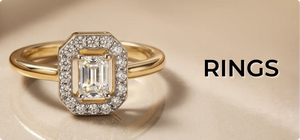
 All Rings
 Solitaire Rings
 Band Rings
 Halo Rings
 Cocktail Rings
 Eternity Rings
 Fashion Ring
 Stack Rings
 Men's Rings
 Vermeil Rings
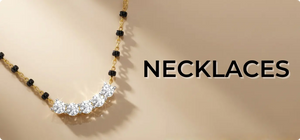
 All Necklaces
 Necklet
 Mangalsutra
 Solitaire
 Tennis Necklace
 Statement Necklace
 Vermeil Necklace
 Alphabets
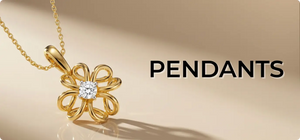
 Solitaire Pendant
 Halo Pendant
 Vermeil Pendants
 All Bracelets
 Solitaire Bracelet
 Tennis Bracelet
 Fashion Bracelet
 Mangalsutra
 Vermeil Bracelets
 All Vermeil
 Vermeil Earring
 Vermeil Pendant
 Vermeil Ring
 Vermeil Necklace
 Vermeil Mangalsutra
 Vermeil Bracelets
 Vermeil Bangles
 Vermeil Men’s
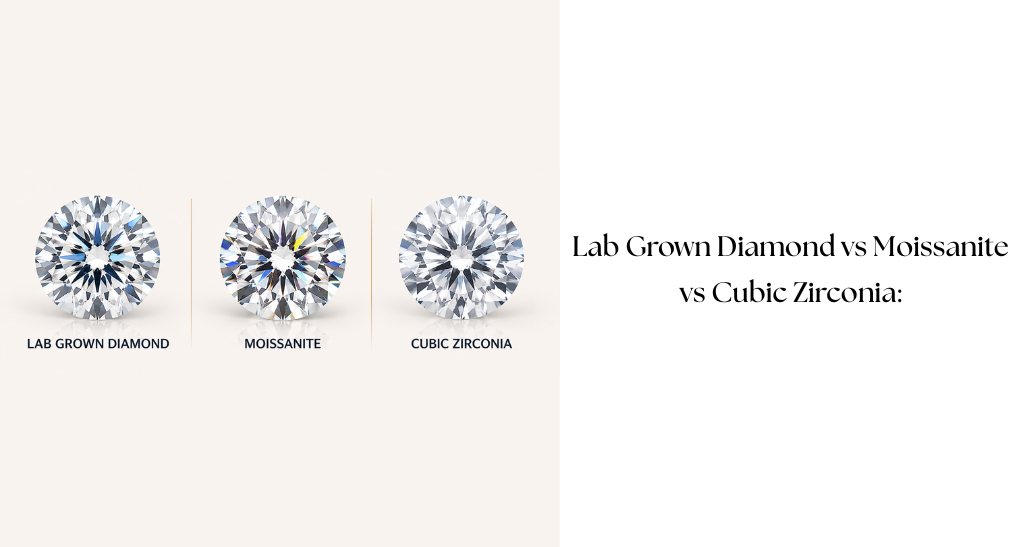
Lab Grown Diamond vs Moissanite vs Cubic Zirconia: Which Is Better?
Lab grown diamonds, moissanite and cubic zirconia can look similar at first look. However, they are made from different materials and do not have the same properties.
A lab grown diamond is a real diamond created in a laboratory. Moissanite is a separate gemstone made from silicon carbide, while cubic zirconia is a man-made material used to copy the appearance of a diamond.
This comparison is not only about finding the cheapest stone. It is about understanding what you are buying, how the stone will look and how well it may handle regular wear.
Quick Comparison
| Feature | Lab Grown Diamond | Moissanite | Cubic Zirconia |
|---|---|---|---|
| Is it a real diamond? | Yes | No | No |
| Material | Carbon | Silicon carbide | Zirconium oxide |
| Main appearance | Diamond brilliance, fire and sparkle | Strong rainbow fire | More fire but less brilliance than diamond, sometimes giving a glassier appearance |
| Mohs hardness | 10 | Around 9.25 | Around 8.5 |
| Suitable for regular wear | Yes, with proper care | Yes, with proper care | More suitable for occasional or careful wear |
| Diamond grading | Can receive a diamond grading or assessment report | Not graded as a diamond | Not graded as a diamond |
| Relative price of a loose colourless stone of a similar visible size | Usually the highest among these three | Usually lower than a lab grown diamond | Usually the lowest |
Actual jewellery prices may vary according to stone size, quality, gold purity, gold weight, setting and design.
The main difference is that lab grown diamonds have essentially the same crystal structure and chemical, optical and physical properties as natural diamonds. Moissanite and cubic zirconia are diamond simulants. They may resemble a diamond, but they are unrelated to diamonds at the atomic level.
Are Lab Grown Diamonds Real?
Yes, lab grown diamonds are real diamonds.
They are made from carbon and have essentially the same chemical composition, crystal structure and optical and physical properties as natural diamonds. Their main difference is their origin.
Natural diamonds form below the earth’s surface. Lab grown diamonds are created in controlled laboratory conditions using processes that reproduce the conditions needed for diamond growth. Advanced testing equipment is generally needed to confirm whether a diamond has a natural or laboratory-grown origin.
Lab grown diamonds are different from diamond simulants. Cubic zirconia and moissanite may look similar to diamonds, but they do not have the same composition or physical properties.
How Are Lab Grown Diamonds Evaluated?
Lab grown diamonds can be evaluated through carat weight, colour, clarity and cut. IGI laboratory-grown diamond reports clearly identify the diamond’s laboratory-grown origin and provide its 4Cs assessment.
Reporting methods can differ between laboratories. Since October 1, 2025, GIA has used an overall Premium or Standard assessment for eligible D-to-Z laboratory-grown diamonds instead of using its traditional natural-diamond colour and clarity nomenclature. IGI continues to document lab grown diamonds through the 4Cs.
When buying a lab grown diamond, check that the report clearly mentions its laboratory-grown origin and matches the report number or laser inscription on the diamond.
What Is Moissanite?
Moissanite is a gemstone made from silicon carbide. Most moissanite used in jewellery is created in laboratories.
It is not a diamond, even though it is commonly offered as a diamond alternative. Diamond is made from carbon, while moissanite has a different chemical composition and crystal structure.
One of the most noticeable features of moissanite is its colourful sparkle. It has more than twice the fire of diamond and slightly more brilliance. Fire refers to the coloured flashes produced when light passes through the stone.
Some people enjoy this strong rainbow effect. Others prefer the more familiar balance of white light and colour seen in a diamond.
In larger moissanite stones, the rainbow flashes can become easier to notice. Moissanite is also doubly refractive, which may make its back facets look doubled or slightly blurred when viewed from certain angles.
Is Moissanite a Real Diamond?
No, moissanite is not a real diamond.
It is a real gemstone, but it belongs to a different gemstone category. It should be sold and described as moissanite, not as a diamond.
Choosing moissanite is not a poor decision when you like its strong sparkle and lower price. The important point is to understand that you are buying moissanite rather than a natural or lab grown diamond.
What Is Cubic Zirconia?
Cubic zirconia, commonly called CZ, is a man-made material made from zirconium oxide. It is one of the most widely used diamond simulants.
CZ can be produced in colourless as well as coloured forms. Colourless CZ is commonly used in jewellery because it can look bright and clean when new.
Cubic zirconia has slightly more fire but less brilliance than diamond. Its flashes of colour can appear broad, and larger CZ stones may sometimes have a glassier appearance. GIA also notes that CZ may develop a yellowish appearance over time.
CZ is commonly used in fashion jewellery, travel jewellery and lower-priced pieces. It can also be used in temporary rings when the buyer plans to replace the stone later.
Detailed Comparison: Appearance, Durability, Price and Certification
Appearance and Sparkle
Lab grown diamonds produce the same type of brilliance, fire and scintillation associated with diamonds. The final appearance still depends on how well the diamond has been cut.
Moissanite produces stronger rainbow flashes. Its fire can be more noticeable than that of a diamond, particularly in larger stones or under direct lighting.
Cubic zirconia can look bright when new, but it generally has less brilliance than diamond. Its flashes may appear broader, and the stone can have a glassier appearance.
The best-looking option depends on your preference. Someone who wants the familiar appearance of a diamond may prefer a lab grown diamond. Someone who likes strong rainbow flashes may prefer moissanite.
Durability and Regular Wear
Diamond scores 10 on the Mohs hardness scale. Moissanite scores around 9.25, while cubic zirconia scores around 8.5.
However, hardness should not be treated as the complete measure of durability.
Hardness measures resistance to scratching, but it does not mean that a stone cannot chip or break. Toughness describes how well a gemstone handles impact, chipping and breaking. Stability relates to how it reacts to heat, light and chemicals.
Even a diamond can be damaged by a strong impact, particularly near pointed corners, exposed edges or areas with certain inclusions.
For regular wear:
-
Lab grown diamonds are highly resistant to scratching but still require proper care.
-
Moissanite also has good scratch resistance and can be suitable for regularly worn rings.
-
Cubic zirconia can scratch and lose surface polish sooner, particularly when worn every day.
A protective setting can be useful for pointed shapes such as pear, marquise and princess cuts, regardless of the selected stone.
Price
For loose colourless stones with a similar visible size, cubic zirconia is normally the lowest-priced option. Moissanite usually costs more than CZ but less than a lab grown diamond. A lab grown diamond is normally the highest-priced option among these three because it is a real diamond.
However, this order does not apply to every finished jewellery piece.
A large moissanite set in a heavy gold ring can cost more than a smaller lab grown diamond set in a lightweight design. The final price can change according to:
-
Stone size
-
Stone quality
-
Gold purity
-
Gold weight
-
Number of side stones
-
Setting style
-
Design and craftsmanship
This is why loose-stone prices and complete ring prices should not be treated as the same comparison.
Certification and Product Description
Lab grown diamonds can be examined and graded by gemological laboratories. An IGI report identifies whether the diamond is natural or laboratory-grown and records its quality details through the 4Cs.
Moissanite and cubic zirconia are not graded as diamonds because they are not diamonds. A gemstone laboratory may identify the material, but the report should not present the stone as a lab grown or natural diamond.
Before buying any stone, check the product description, certificate and invoice. The exact material should be clearly mentioned instead of using general terms such as diamond-like stone.
Lab Grown Diamond vs American Diamond
In India, “American diamond” is an informal retail term commonly used for cubic zirconia or another diamond simulant. It is not a recognised gemological category.
Different sellers may use the term loosely, so the name alone does not confirm the exact material.
Buyers should check the stone material mentioned on the product page, certificate and invoice instead of relying only on the name “American diamond.”
The main difference is:
Lab grown diamond: A real diamond made from carbon and created in a laboratory.
American diamond: An informal name generally used for a diamond simulant, rather than a recognised type of diamond.
A simulant and a laboratory-grown diamond belong to different product categories. Lab grown diamonds have the crystal structure and properties of diamonds, while simulants only copy part of their appearance.
Which Is Best for an Engagement Ring?
The best option depends on what you want from the engagement ring.
Choose a Lab Grown Diamond When:
-
You specifically want a real diamond.
-
The ring will be worn regularly.
-
You want the diamond’s colour, clarity, cut and carat details recorded in an IGI report.
-
You prefer diamond brilliance rather than very strong rainbow flashes.
-
You want a larger real diamond within your budget compared with many similar natural diamond options.
A lab grown diamond is usually the most suitable option among these three when the buyer wants a real diamond engagement ring.
Choose Moissanite When:
-
You are comfortable choosing a non-diamond gemstone.
-
You like strong rainbow fire.
-
You want good scratch resistance at a lower price.
-
A larger-looking centre stone is more important than owning a diamond.
Moissanite can work well in an engagement ring, but it should be chosen because you like moissanite itself, not because it has been presented as a real diamond.
Choose Cubic Zirconia When:
-
The budget is very limited.
-
The ring is temporary.
-
It will be worn occasionally.
-
You are comfortable replacing the stone if its surface becomes scratched or dull.
CZ can be useful for a proposal ring that will later be replaced. It is less suitable when you expect the same stone to retain a sharp, polished appearance through years of everyday wear.
How to Choose According to Your Budget
Do not begin only by asking which option is the cheapest. First decide whether owning a real diamond matters to you.
When You Want a Real Diamond
Choose a lab grown diamond and set a full ring budget before selecting the centre stone.
The total ring cost may include:
-
Centre diamond
-
Side diamonds
-
Gold purity and weight
-
Setting
-
Making charges
-
Design details
Do not spend the entire budget on carat weight without considering the complete ring.
Understand How Cut Affects Appearance
Cut has a strong effect on how a diamond handles light, but no single quality factor is best for every buyer. The right balance of cut, colour, clarity and carat weight depends on your preferred appearance and budget.
A well-cut diamond can appear bright and lively. However, some buyers may prefer a larger carat weight, a higher colour grade or a particular shape. The right choice depends on which difference is most visible and important to you.
Avoid Paying for Differences You Cannot See
Very high colour and clarity grades can increase the price. However, the difference between two nearby grades may not always be obvious during normal wear.
An eye-clean diamond with a balanced colour grade may offer better value than paying for a higher grade that looks almost the same without magnification.
Compare Carat Weight and Visible Size
Carat measures the weight of a diamond, not its exact visible size.
Two diamonds with the same carat weight can face up differently depending on their shape, proportions and depth. A slightly lower carat weight with better proportions may sometimes look similar in size from the top.
When You Want a Lower-Priced Alternative
Consider moissanite when you want a durable stone, strong rainbow sparkle and a larger visible size without paying for a diamond.
Moissanite is not better than diamond in every area. It may be better for a particular buyer whose main priorities are visible size, colourful fire and a lower price.
When You Want the Lowest-Priced Option
Cubic zirconia is generally the cheapest among these three when comparing loose colourless stones of a similar visible size.
However, CZ should not be called the cheapest version of a diamond because it is not a diamond. It is a separate material created to imitate part of a diamond’s appearance.
It can be a practical choice for fashion jewellery, occasional wear or a temporary ring.
Final Answer
Choose a lab grown diamond when you want a real diamond with the appearance, structure and scratch resistance associated with diamonds.
Choose moissanite when you prefer strong rainbow sparkle, good resistance to scratching and a lower price, while understanding that it is not a diamond.
Choose cubic zirconia when the lowest price matters most and the jewellery is intended for occasional or temporary use.
The right choice does not come from asking which stone looks most like a diamond under bright lights. It comes from knowing the exact material, how it may wear over time and whether you want a real diamond or a diamond simulant.


