




 All Earrings
 Stud Earrings
 Drop Earrings
 Solitaire
 Hoop Earrings
 Halo Earrings
 Vermeil Earrings
 Round
Round
 Oval
Oval
 Emerald
 Pear
Pear
 Princess
 Heart
Heart
 Marquise
 All Rings
 Solitaire Rings
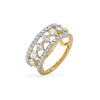 Band Rings
 Halo Rings
 Cocktail Rings
 Eternity Rings
 Fashion Ring
 Stack Rings
 Men's Rings
 Vermeil Rings
 All Necklaces
 Necklet
 Mangalsutra
 Solitaire
 Tennis Necklace
 Statement Necklace
 Vermeil Necklace
 Alphabets
 Solitaire Pendant
 Halo Pendant
 Vermeil Pendants
 All Bracelets
 Solitaire Bracelet
 Tennis Bracelet
 Fashion Bracelet
 Mangalsutra
 Vermeil Bracelets
 All Vermeil
 Vermeil Earring
 Vermeil Pendant
 Vermeil Ring
 Vermeil Necklace
 Vermeil Mangalsutra
 Vermeil Bracelets
 Vermeil Bangles
 Vermeil Men’s
Top 10 Most Googled Engagement Ring Questions
Buying an engagement ring often feels simple until you actually start looking. Suddenly, there are questions about budget, diamond size, ring style, carat weight, ring size and whether a lab grown diamond is the right choice.
Most buyers are not looking for the most expensive ring. They want a ring that suits their partner, looks good on the hand and fits within a comfortable budget. Here are straightforward answers to ten common questions people ask before choosing an engagement ring.
1. How Much Should I Spend on an Engagement Ring?
There is no fixed amount you need to spend on an engagement ring. The commonly mentioned two- or three-month salary rule is not compulsory. Set a budget that feels comfortable after considering your savings, wedding expenses and other financial commitments. The price will depend on the diamond size and quality, gold purity, ring setting and any additional diamonds used in the design.
2. What Engagement Ring Should I Get?
Choose a ring based on the jewellery your partner already wears. Check whether they prefer yellow, white or rose gold and whether their jewellery is simple or detailed. Solitaire rings suit those who prefer a clear centre diamond, while halo, floral and diamond-band designs provide a fuller appearance. Their daily routine should also be considered, especially if they plan to wear the ring regularly.
3. How Can I Find My Partner’s Ring Size Without Asking?
Borrow a ring your partner already wears on the intended finger and have it measured by a jeweller. You can also trace the inside of the ring on paper or measure its inner diameter. A close friend or family member may be able to help without revealing the proposal. Since secret measurements may not always be exact, check whether the selected engagement ring can be resized later.
4. How Are Engagement Rings Worn?
Engagement rings are generally worn on the ring finger, which is the finger next to the little finger. Many people wear the ring on the left hand, while others use the right hand according to family, religious or regional traditions. There is no single rule followed by every couple in India. The ring can be worn on whichever hand feels comfortable and suits the wearer’s customs.
5. What Are the Different Types of Diamond Cuts for Engagement Rings?
Round, oval, pear, cushion, emerald, princess, radiant, marquise and heart are some of the commonly chosen diamond shapes for engagement rings. Round diamonds offer a familiar appearance, while oval, pear and marquise diamonds have a longer outline. Cushion and radiant cuts provide a fuller shape, whereas emerald-cut diamonds have straight edges and step-like facets. The right choice depends mainly on the wearer’s preference.
6. What Carat Size Is Best for an Engagement Ring?
There is no ideal carat size for every engagement ring. The diamond should look proportionate on the wearer’s finger and remain within your budget. Carat measures the diamond’s weight, not its visible size. An oval or pear-shaped diamond may look larger than a round diamond of the same carat weight because of its elongated surface. Also confirm whether the stated carat refers to the centre diamond or the total weight of all diamonds.
7. Will My Engagement Ring Retain Its Value?
An engagement ring should not be purchased only as an investment. Its future value depends on the gold weight, gold purity, diamond type, condition and the jeweller’s exchange or buyback policy. The gold portion may retain value according to the prevailing gold rate, but the resale value of the diamond is generally lower than its original purchase price. Lab grown diamonds can also have limited resale value, so buyers should check the brand’s lifetime exchange and buyback terms before purchasing.
8. Are Lab Grown Diamonds Good for Engagement Rings?
Yes, lab grown diamonds are suitable for engagement rings. They have the same basic chemical composition, crystal structure and hardness as mined diamonds. They are not imitation stones such as cubic zirconia. Since lab grown diamonds generally cost less than mined diamonds with comparable specifications, buyers may be able to choose a larger centre stone or better colour and clarity within the same budget. Always check that the diamond comes with a recognised grading certificate.
9. How Should an Engagement Ring Fit?
An engagement ring should slide over the knuckle with slight resistance and sit securely at the base of the finger. It should not press deeply into the skin, rotate constantly or slip off when the hand points downwards. Removing the ring should require a gentle pull rather than excessive force. Since finger size can change with temperature and time of day, professional measurement is recommended before placing the final order.
10. When Should I Take My Engagement Ring Off?
Remove your engagement ring before swimming, exercising, lifting heavy objects, cleaning with chemicals or doing work that may scratch or damage it. It is also better to remove it before applying creams, oils or hand sanitiser, as these can leave residue around the diamond and setting. Keep the ring in a secure jewellery box rather than leaving it near a sink or in an open pocket.
-
Posted in
Engagement Ring, lab diamond ring, Lab grown diamond ring


