







 All Earrings
 Stud Earrings
 Drop Earrings
 Solitaire
 Hoop Earrings
 Halo Earrings
 Vermeil Earrings
 Round
 Oval
 Emerald
 Pear
 Princess
 Heart
 Marquise
 All Rings
 Solitaire Rings
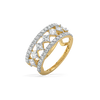 Band Rings
 Halo Rings
 Cocktail Rings
 Eternity Rings
 Fashion Ring
 Stack Rings
 Men's Rings
 Vermeil Rings
 All Necklaces
 Necklet
 Mangalsutra
 Solitaire
 Tennis Necklace
 Statement Necklace
 Vermeil Necklace
 Alphabets
 Solitaire Pendant
 Halo Pendant
 Vermeil Pendants
 All Bracelets
 Solitaire Bracelet
 Tennis Bracelet
 Fashion Bracelet
 Mangalsutra
 Vermeil Bracelets
 All Vermeil
 Vermeil Earring
 Vermeil Pendant
 Vermeil Ring
 Vermeil Necklace
 Vermeil Mangalsutra
 Vermeil Bracelets
 Vermeil Bangles
 Vermeil Men’s
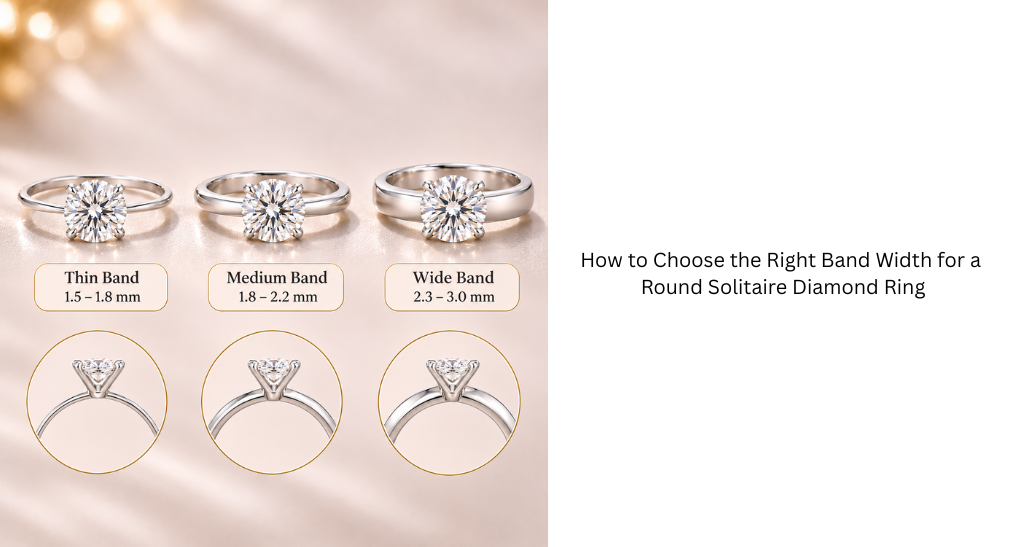
How to Choose the Right Band Width for a Round Solitaire Diamond Ring
A round solitaire diamond is often the centre of attention, but the band can change how the entire ring looks. A delicate band can make the centre stone stand out, while a wider band gives the design a more substantial appearance. Even two rings with the same diamond can look quite different simply because of their band design and proportions.
So, how do you decide which band width works best? The answer depends on your diamond's carat size, finger proportions, preferred style and the way the ring is constructed. Here is what to consider before choosing.
1. Start by Understanding Different Band Styles
Band width is not just about choosing between a thin and thick ring. The shape and construction of the band also influence how the diamond looks.
Slim Bands
Slim bands generally measure around 1.5 mm to 1.8 mm. They have a delicate appearance and leave more visual attention for the centre diamond. This style works particularly well with classic solitaire designs. However, extremely narrow bands need careful engineering to maintain their shape during everyday wear.
Classic Bands
Classic bands usually fall around 1.8 mm to 2.2 mm. They offer a balanced look without making the ring appear too delicate or too heavy. If you prefer a traditional engagement ring that you can wear regularly, this is a good starting point.
Wide Bands
Wide bands, often 2.3 mm and above, create a more noticeable metal profile. They suit people who prefer a bold ring rather than a delicate design. A wider band can also provide more space for additional design details.
Tapered Bands
A tapered band gradually becomes narrower towards the centre diamond. This changes the visual proportions of the ring by directing attention towards the stone. It can work particularly well with round solitaire diamonds.
Knife-Edge Bands
These bands have a raised ridge running along the centre, creating a slightly angular profile. The design adds definition without requiring extra detailing or additional stones.
Split-Shank Bands
A split-shank band divides into two sections near the centre setting. It creates an open frame around the diamond and gives the ring a more detailed appearance than a traditional plain band.
These styles can overlap. For example, a slim band can also be tapered, while a wider band can feature a knife-edge design.
2. How Diamond Carat Size Influences Band Width
The size of the centre diamond is one of the first things to consider when selecting a band. A larger diamond creates a different visual balance from a smaller one, so the band should complement its proportions.
However, carat weight alone does not determine the ideal band width. A round brilliant diamond's actual diameter is more useful when comparing its appearance with the band.
Here are some approximate proportions to help you understand the difference:
| Round diamond size | Approximate diameter | Band width to explore |
|---|---|---|
| 0.50 carat | 5.1 mm | 1.5–1.8 mm |
| 0.75 carat | 5.8 mm | 1.6–1.9 mm |
| 1 carat | 6.5 mm | 1.8–2.0 mm |
| 1.5 carat | 7.4 mm | 1.8–2.2 mm |
| 2 carat | 8.2 mm | 2.0–2.4 mm |
| 3 carat | 9.4 mm | 2.2–2.6 mm |
These are suggested design ranges, not mandatory measurements. A 2-carat diamond can look beautiful on a slim band if the ring is properly engineered. Similarly, someone may prefer a wider band with a smaller diamond for a more balanced appearance.
3. Why Does a Thin Band Make a Diamond Look Bigger?
One reason slim bands are popular in solitaire rings is the contrast they create between the centre stone and the surrounding metal.
When less metal is visible around the diamond, the stone can appear more prominent. For example, a 1-carat round diamond on a slim band may look larger in proportion than the same diamond on a wide band.
This does not change the actual size of the diamond. It simply changes how the eye perceives the relationship between the centre stone and the band.
A tapered band can create a similar effect because it becomes narrower as it approaches the diamond.
4. Consider the Setting Before Finalising the Band
The band and setting should work together rather than being chosen separately.
A four-prong or six-prong solitaire setting can pair with different band widths, depending on the diamond size and construction. Cathedral settings have raised shoulders that connect to the centre setting, while basket settings support the diamond with a metal structure beneath it.
If you prefer a larger centre stone, make sure the band and setting provide adequate support. A jeweller can assess the required metal dimensions based on the design and diamond.
5. Band Width Is Not the Same as Thickness
This is an important detail that is often overlooked.
Band width is the measurement across the ring when viewed from above. Band thickness refers to the depth of the metal when viewed from the side.
Both influence the ring's construction. A wide but very thin band may not be as durable as its appearance suggests. Similarly, a narrow band with suitable thickness and construction may provide better structural support.
For everyday engagement rings, consider both measurements along with the metal type, setting and overall design.
6. Think About Your Finger Size and Wedding Band
The same ring width can look different on different hands. A slim band may look delicate on a smaller finger, while a slightly wider design may create better visual balance on a broader finger.
Also, consider whether you plan to wear a wedding band alongside your solitaire. A high-set centre stone may leave a gap between the two rings, while certain settings allow them to sit closer together.
Trying different widths on your finger is one of the best ways to understand which proportions you prefer.
Final Thoughts
Choosing the right band width is about finding a balance between the centre diamond, the ring's construction and your personal style. A slim band creates contrast, a classic band offers a traditional appearance, and a wider band gives the ring a stronger presence.
Rather than following a fixed carat-to-band formula, look at the diamond's actual diameter, setting and how the ring feels on your hand. The best round solitaire ring is one where the centre stone and band work well together, both in appearance and everyday comfort.


